Plant Health Care

Keep your trees healthy before they become a problem.

Our team of ISA Certified Arborists has encountered almost every tree and shrub ailment there is to see in the greater Sacramento area, and we’ve developed treatment plans to treat and prevent them.

Why Plant Health Care Matters

We are very familiar with the question “What’s wrong with my tree?” along with its sister questions “What is this bug on my tree?” and “Why is my tree doing this?” If you’re asking, you’re already ahead of most homeowners, because the biggest mistake we see is waiting.

Early diagnostics prevent hidden, permanent structural damage. Pathogens, insect pests, and nutritional deficiencies destroy trees from the inside out long before showing visible signs above ground. Waiting until leaves discolor, wilt, or drop means the infestation or disease has already advanced. Proactive management is highly effective, whereas attempting to cure an advanced condition is costly and often unsuccessful.

Early care today, means stronger, healthier trees tomorrow.

What We Treat

A few of the most common things damaging tree and shrub health:
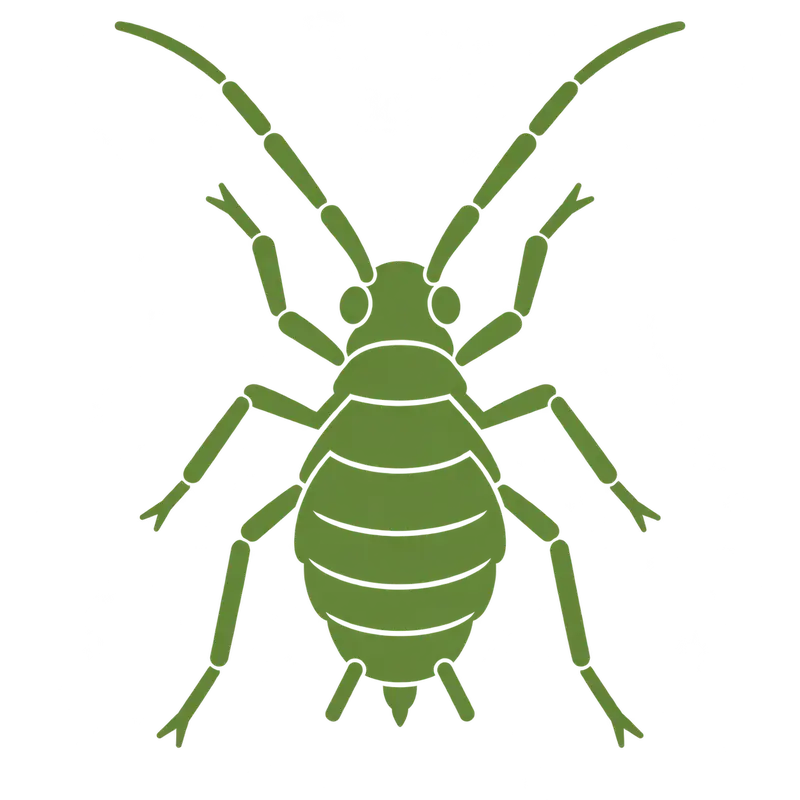
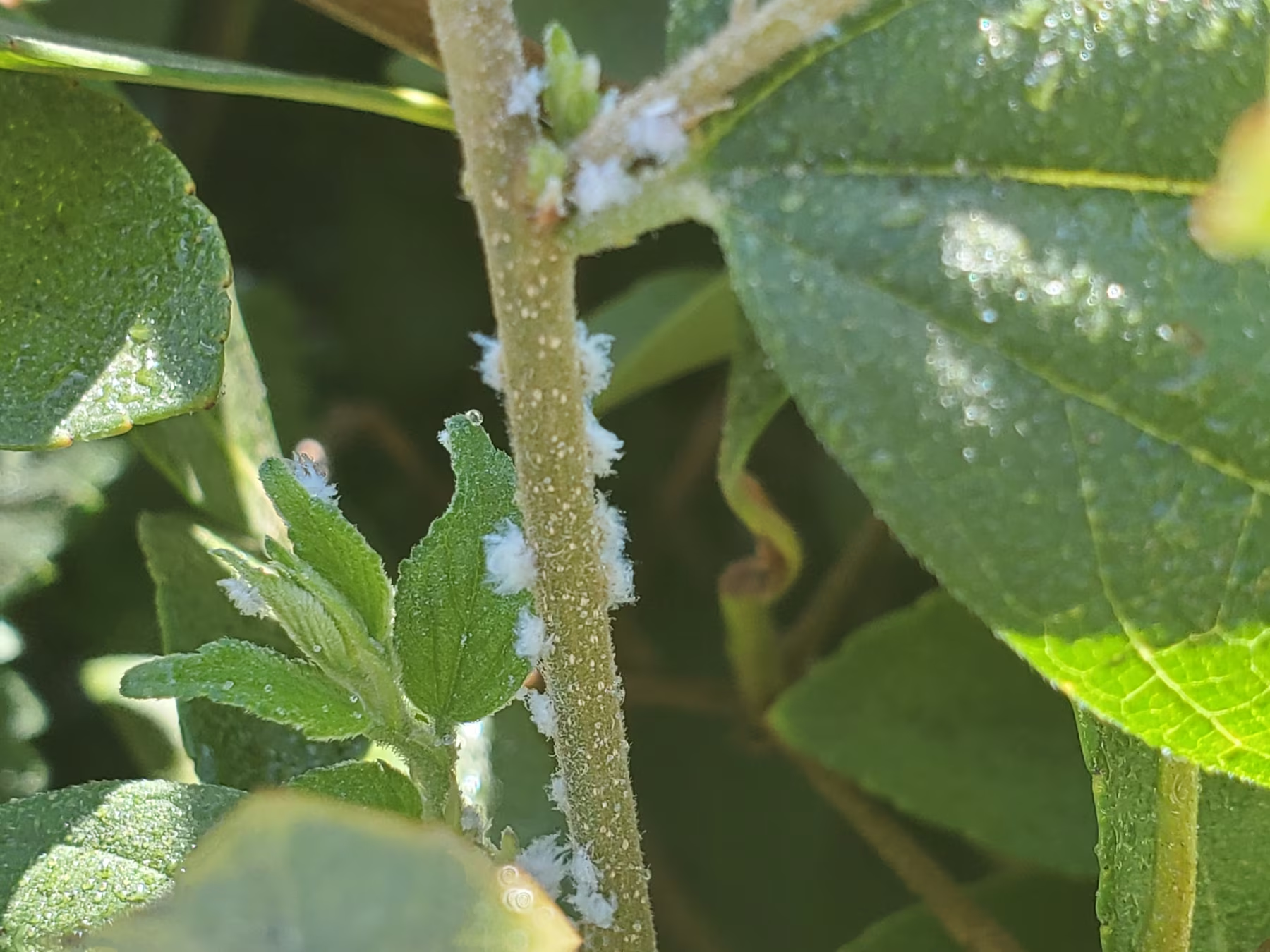
Aphids

Sticky sidewalks, cars, and leaves. That’s honeydew, and it means aphids are feeding.

Anthracnose

Early leaf drop and cankers on Oak, Ash, and Sycamore, especially after a wet spring.

California Oakworm

Tiny worms that descend from oak trees on silk threads every spring, consuming the gardens beneath.

Powdery Mildew

Looks exactly how it sounds. A powdery coating of fungal spores on leaves, ready to spread in the wind.

Our Services

Insect & Mite Control

We treat aphids, scale, and other common insect and mite pests using a combination of systemic treatment and topical sprays, tailored to the pest and the host tree. Systemic treatments are typically applied during dormancy so protection is active before insects emerge to feed. See our full pest list for treatment specifics on what’s affecting your tree.
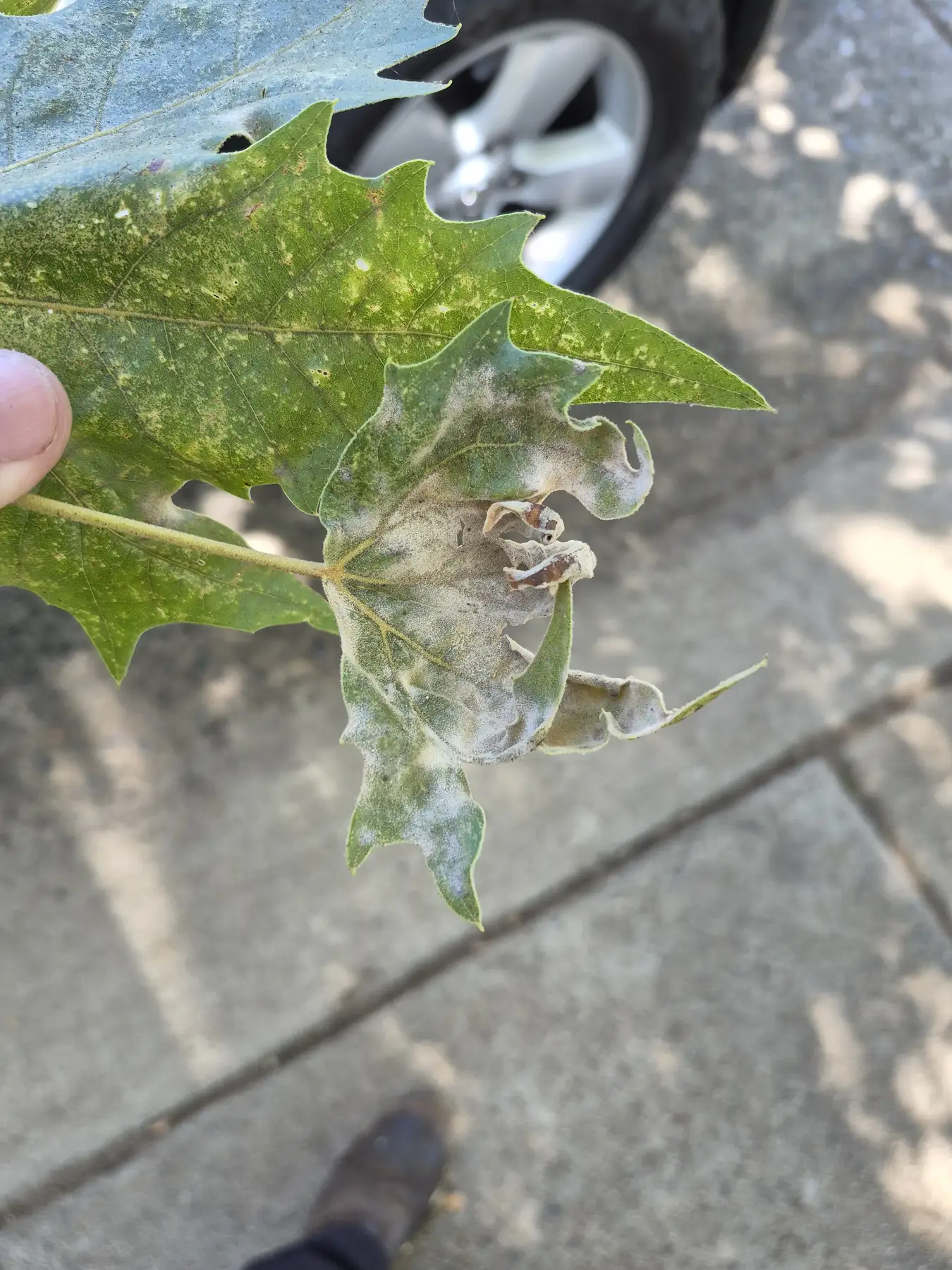
Fungal Disease Management

Anthracnose, powdery mildew, and peach leaf curl are the three fungal issues we treat most in this region. Each requires a different protocol and timing window, bark or canopy sprays for anthracnose, curative and preventative applications for powdery mildew, and a 3-stage program applied entirely during winter dormancy for peach leaf curl. Getting ahead of the outbreak, not catching up to it, is what makes these treatments effective.
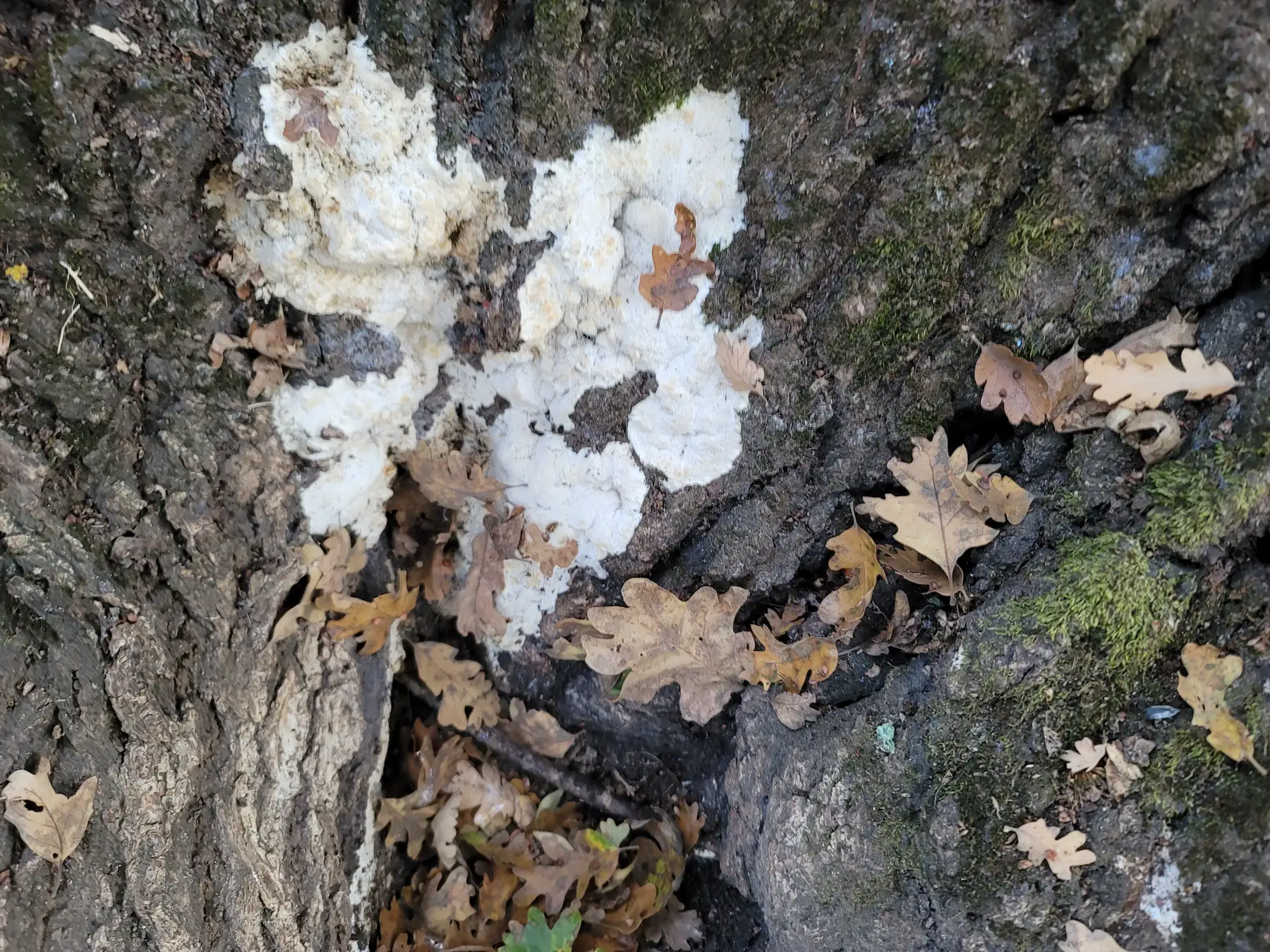
Soilborne Pathogens & Root Health

Phytophthora, Armillaria, and other soilborne pathogens live below the soil line and are the hardest problems we deal with. There’s no chemical cure once a tree is fully infected, so our approach centers on preventative care, managing soil moisture and aeration to protect the root zone before structural decay sets in. For trees already showing symptoms, we help you weigh long-term suppression against removal.
Growth & Fruit Management

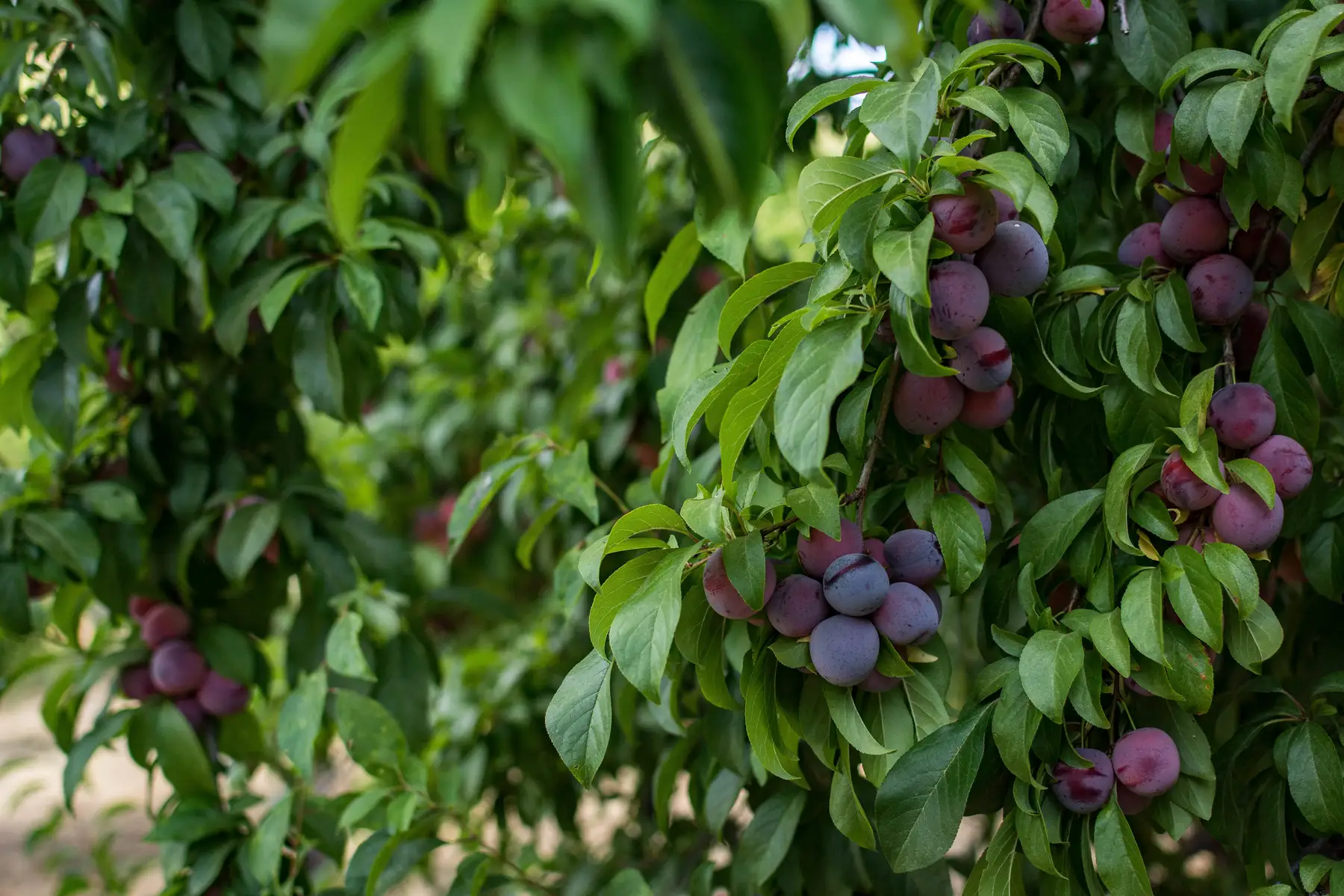
For fruit-heavy species like Plum, Pear, and Olive, properly timed hormone sprays during bloom can reduce fruit production by 50 to 70 percent. We also apply Tree Growth Regulators (TGRs) in fall and spring to slow canopy expansion and redirect a tree’s energy toward root development, strengthening its defenses against drought and disease.
Fertilization

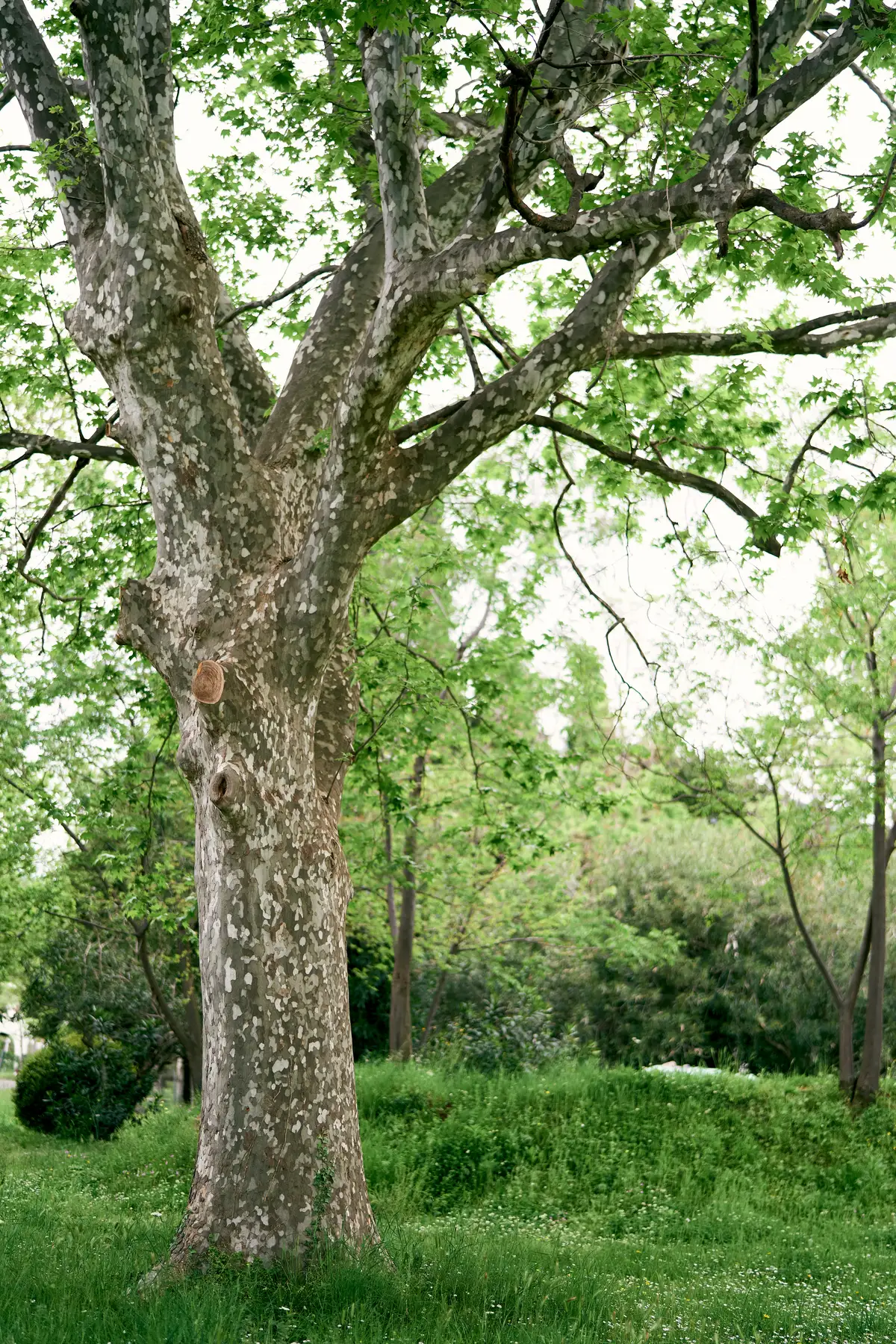
Our traditional fertilization service delivers nutrients directly to the root zone through a soil drench, tailored to your tree’s specific needs and the time of year. For Ash and Sycamore trees especially, annual fertilization is one of the best defenses against anthracnose. We also offer our Bio-Blend formula, built to mimic nature’s own healing process with over 43 nutrients, including 8 micronutrients, along with soil supplements that improve drought tolerance and water uptake.

Our Expertise

Treatment is only as good as the license behind it. Here’s who’s doing the work.

Qualified Applicator Licensees

Robert Bornick, QAL #172364
Oscar Rios, QAL #155364

ISA Certified Arborist

Oscar Rios, WE-14308A

Pest Control Business License

Tree Care Incorporated, #32525

These aren’t formalities. State licensing means the people treating your trees have been tested on the science and the safety, not just the sales pitch.

Frequently Asked Questions

Tree Diagnostics

Early diagnostics prevent hidden, permanent structural damage. Pathogens, insect pests, and nutritional deficiencies destroy trees from the inside out long before showing visible signs above ground. Waiting until leaves discolor, wilt, or drop means the infestation or disease has already advanced. Proactive management is highly effective, whereas attempting to cure an advanced condition is costly and often unsuccessful.

PHC is required long before a tree looks visibly sick. We highly recommend a proactive program for:

  • High-value landscape focal trees
  • Tree species highly prone to localized pests, such as native Oaks and Crape Myrtles
  • Trees experiencing extreme environmental stress, including drought, heatwaves, or construction damage

While many tree diseases are invisible to the untrained eye, you should schedule an arborist consultation immediately if you notice:

  • A history of seasonal pests on your property
  • Dying or declining trees in your immediate neighborhood
  • Recent soil compaction from construction, renovations, or heavy equipment driving over the root zone

Yes. Many structural defects, soilborne pathogens, and internal vascular issues show zero above-ground symptoms. By the time you see the damage, the root or trunk architecture may already be heavily degraded and dangerous.

Proactive Insect & Pest Management

Preventative treatment must begin in late winter before insect populations hatch. Tree Care Incorporated applies systemic insecticides during dormancy so the material distributes thoroughly through the tree’s vascular system.

This ensures protection is active inside the leaves before aphids or whiteflies can emerge to feed and create messy, destructive honeydew on:

  • Crape Myrtles
  • Hackberries
  • Xylosma trees

If your property misses the late winter window, we apply targeted topical sprays during the spring and summer active growing seasons. While winter systemic prevention is the most effective method, these seasonal topical applications manage active pest populations on untreated trees before severe canopy defoliation occurs.

Oakworm larvae can completely skeletonize an oak canopy once they hatch in the spring.
We aggressively monitor native oak canopies across Placer and Sacramento counties ahead of time. Our team applies beneficial bacteria, specifically Bacillus thuringiensis (Bt), precisely as the small caterpillars emerge, halting the infestation before the insects drop into your gardens on silk threads.

Fungal Disease Prevention

Anthracnose is a devastating fungal disease that spreads rapidly during wet northern California springs. To prevent it, we must establish a care plan before there is an active outbreak on your property. Depending on your localized risks, we utilize one of two protocols:

  • Bark sprays: Two applications in the fall and spring to induce natural systemic resistance.
  • Canopy sprays: A series of three targeted fungicide sprays to shield emerging spring foliage.

Peach leaf curl is a fungus that infects budding tissue the exact moment stone fruit trees break dormancy in the spring. Once the leaves emerge puckered, swollen, and deformed, it is too late to alter the disease cycle for that season. We apply a rigorous 3-stage management method entirely within the winter dormant cycle while the branches are bare.

No. There is no chemical cure for soilborne root rot once it fully infects a tree’s root architecture. Symptoms like bleeding cankers or canopy die-back only appear after the root system is heavily degraded. We utilize preventative care plans to manage soil moisture and aeration, protecting the root zone before structural decay sets in.

Drought-stressed trees cannot allocate resources to defend themselves against secondary invaders like bark beetles or borers. Under extreme weather conditions, our PHC programs pivot to include:

  • Specialized soil conditioning
  • Root zone hydration optimization
  • Plant health defense boosters

Specialty Tree Management & Growth Regulation

Hormone treatments utilize two targeted sprays to achieve maximum coverage on flower blooms. We schedule these precise applications when the flowers are in full bloom to reduce unwanted fruit production by 50% to 70%. This effectively eliminates messy fruit drop and slip hazards on your walkways and driveways.

Note: Specific application timing depends strictly on tree species, sun exposure, and ambient heat, making fruit reduction a moving target.

We apply Tree Growth Regulators (TGRs) in both the fall and the spring. These applications:

  • Slow rapid, weak vertical canopy expansion
  • Thicken leaf cuticles to prevent moisture loss
  • Direct energy toward fine root growth to maximize drought and pathogen defenses

Missing a specific treatment window allows the targeted pest or pathogen life cycle to complete uninterrupted. This results in preventable canopy defoliation, extreme tree stress, or structural decline that can take several seasons of costly, reactive treatments to correct.

No, PHC is an ongoing, seasonal management program. Environmental pressures, regional weather variations, and insect life cycles shift constantly throughout the year. Your trees require different types of protection, monitoring, and nutrients as the seasons change.

Service Areas

Our certified team provides preventative care and diagnostic assessments across five regional California counties.

Send Us A Message

Don’t Hesitate to Reach Out