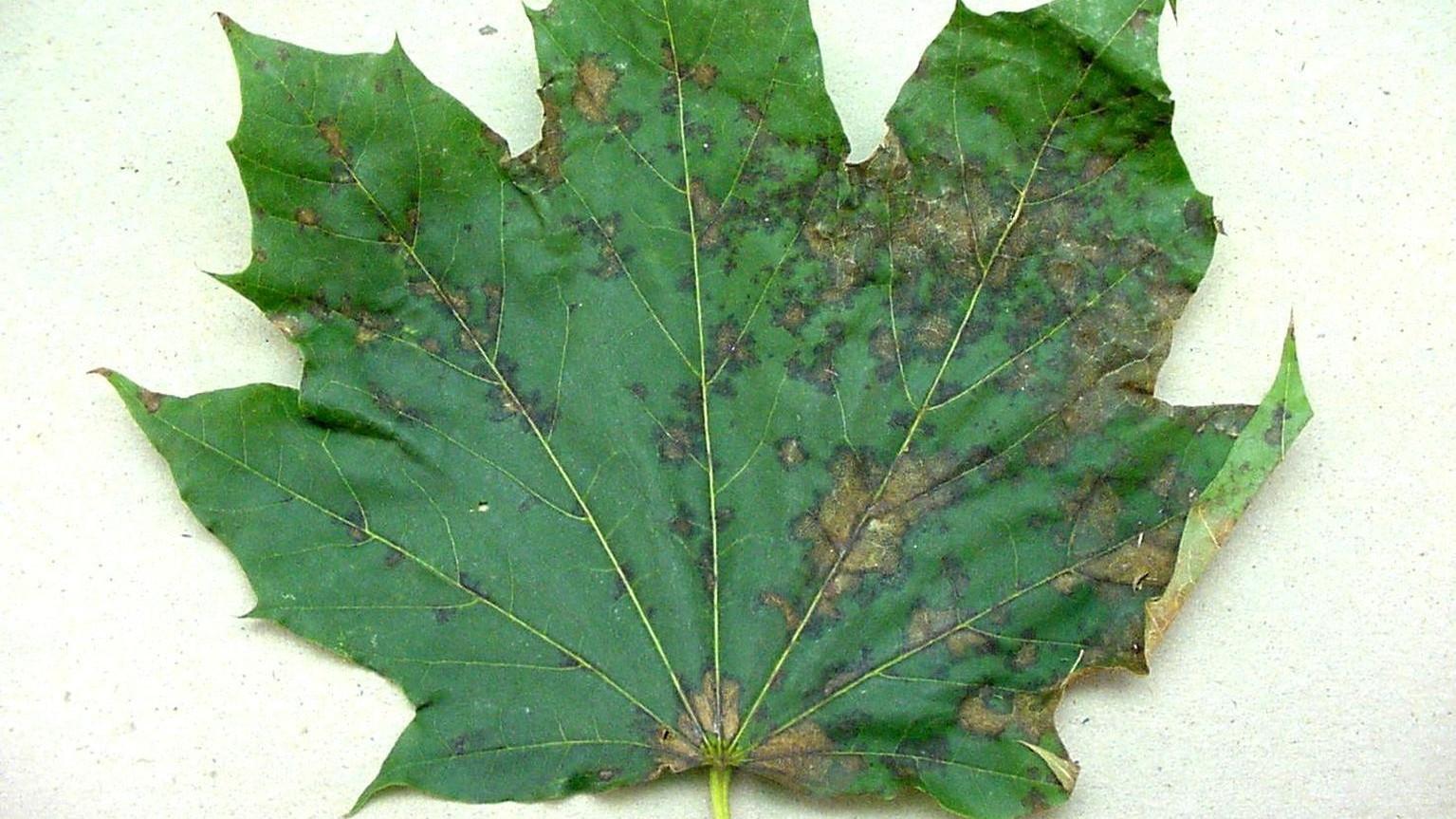
Anthracnose
Symptoms: This fungal disease causes early leaf drop, irregular growth patterns, and cankers on the branches and twigs of susceptible trees. Oak, Ash, and Sycamore are all commonly affected species.
How we treat it: We have both preventative and curative means to address this infection and increase your tree’s resistance.
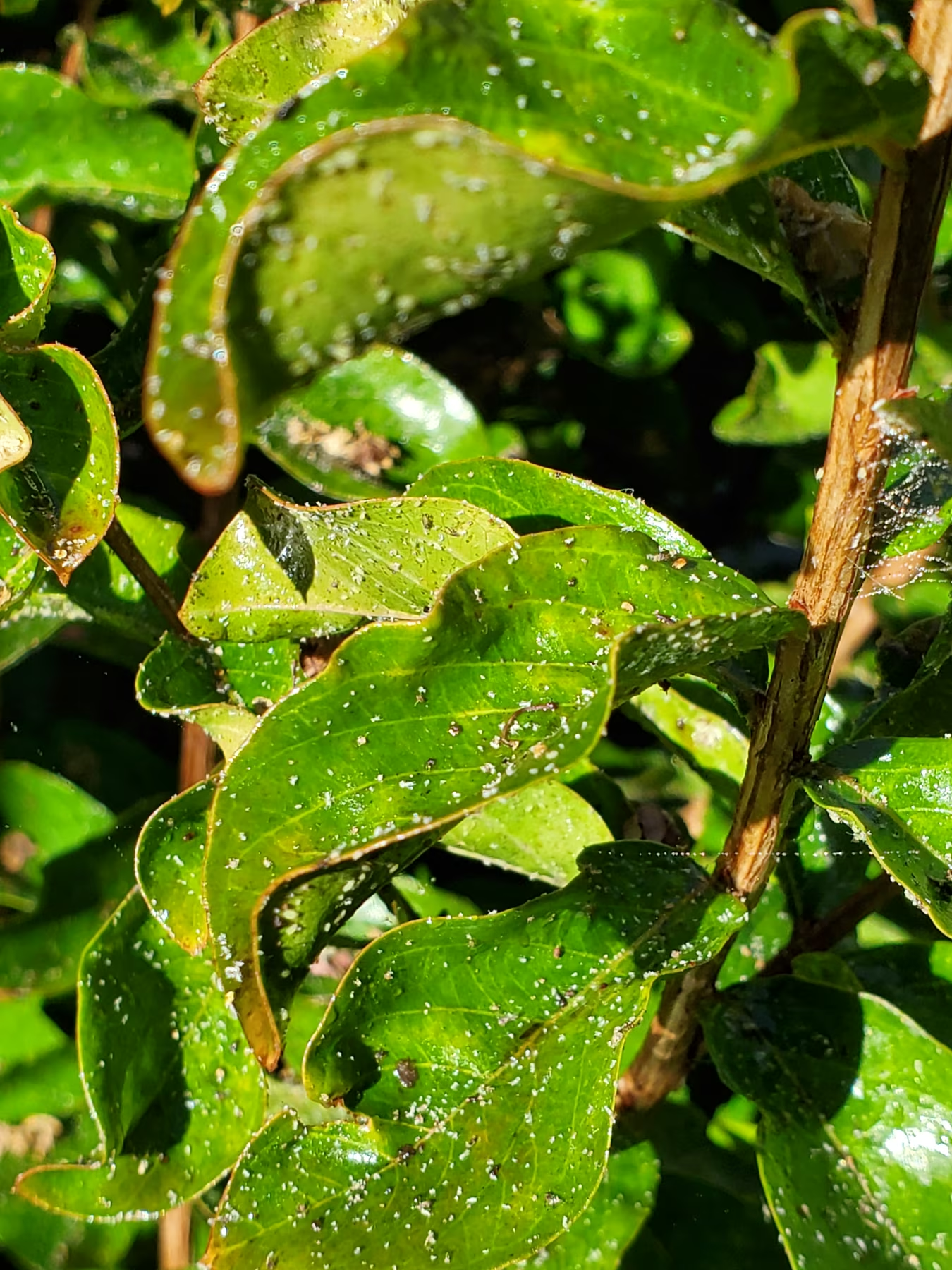
Aphids
Symptoms: Sticky sidewalks, leaves, cars, etc. Aphids are stem and leaf feeding insects that excrete a sticky, sugary substance called “honeydew” as a byproduct of their feeding on plants.
How we treat it: A combination of systemic treatment and non-imidacloprid topical sprays to control these insects throughout the summer and fall.
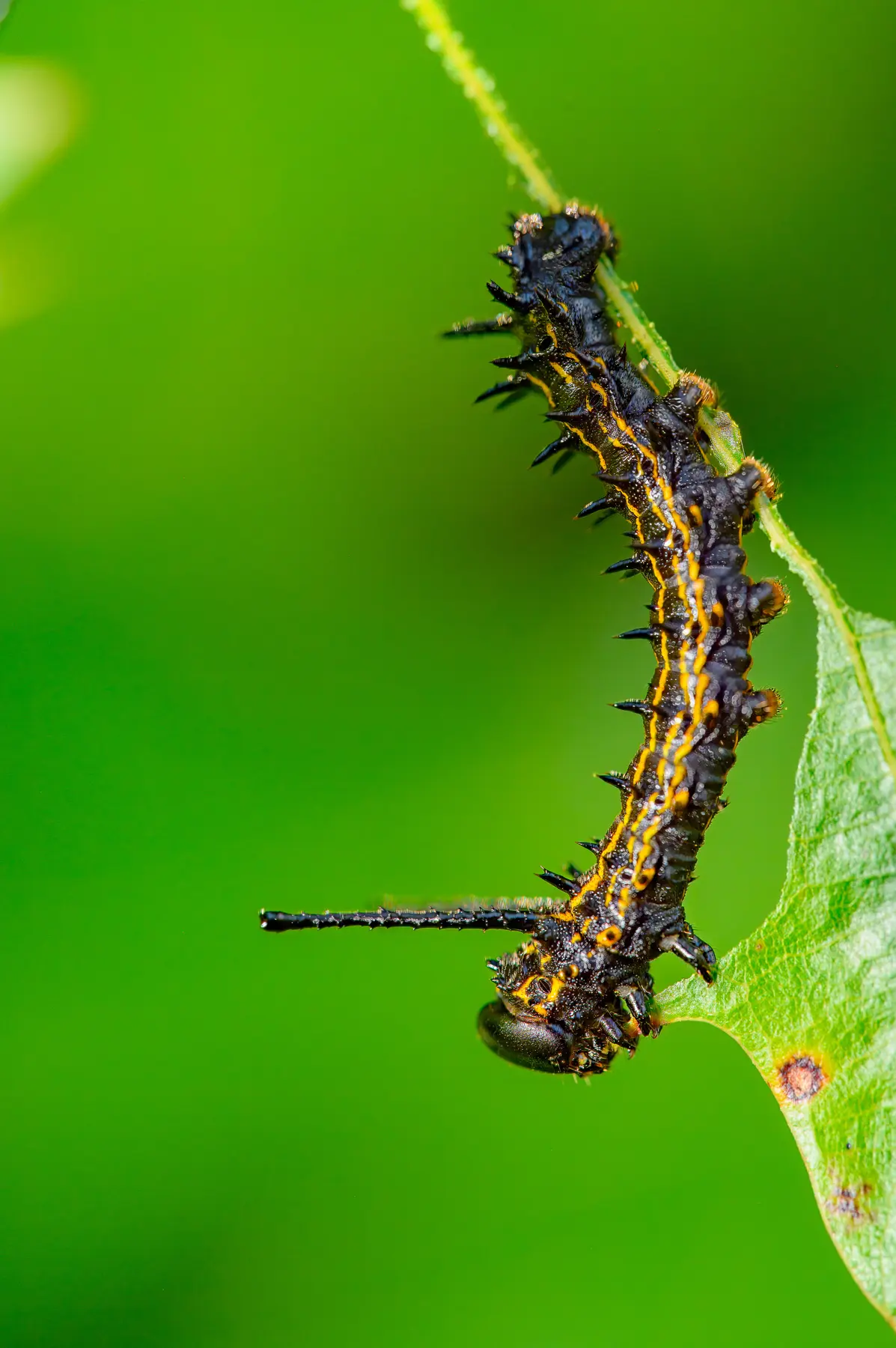
California Oakworm
Symptoms: You will find these throughout the region in the springtime. Tiny worms that descend from oak trees on silk threads to consume soft plant tissues found in the gardens beneath.
How we treat it: Properly timed applications of beneficial bacteria (Bt) can limit the population of these worms and protect your landscape from further attack.
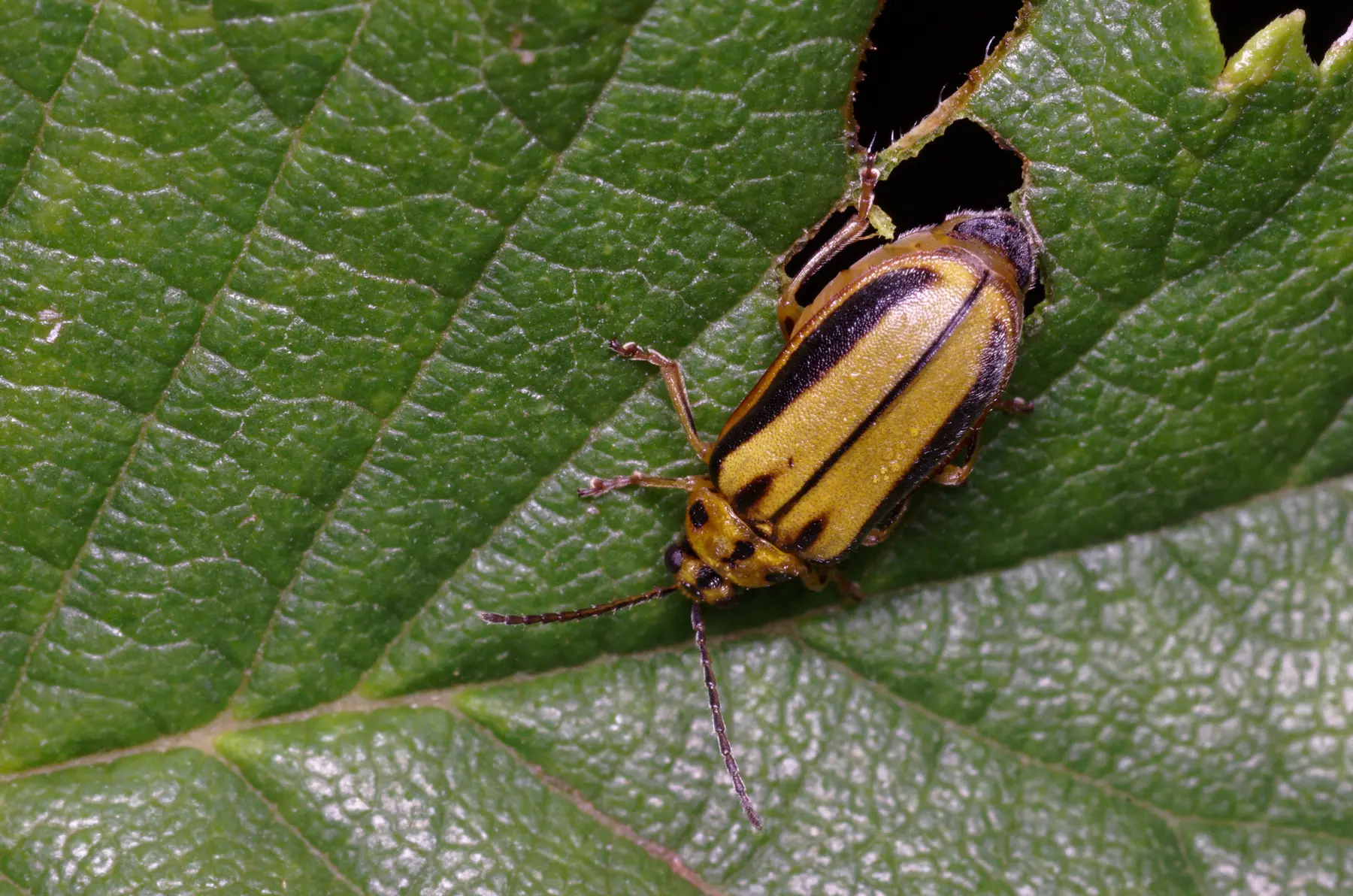
Elm Leaf Beetle
Symptoms: These insects primarily target European elm species and are capable of defoliating mature trees if left unaddressed.
How we treat it: We have multiple methods of treatment available to address this common issue.
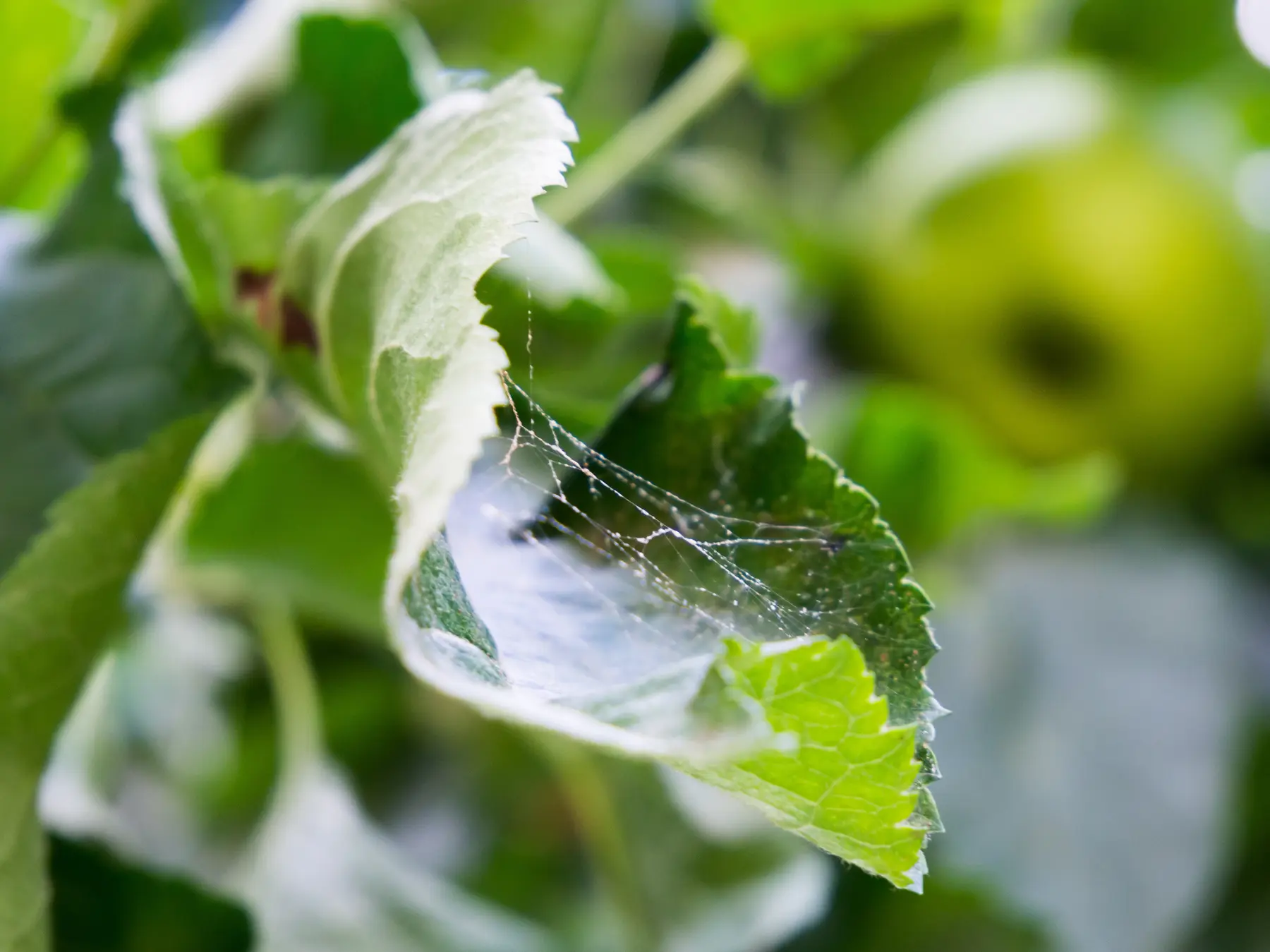
Mites
Symptoms: This stem and leaf feeding pest is responsible for canopy dieback, webs appearing in foliage, and canopy discoloration.
How we treat it: A combination of general health maintenance treatments and mite specific insecticides to control mite populations within your landscape.
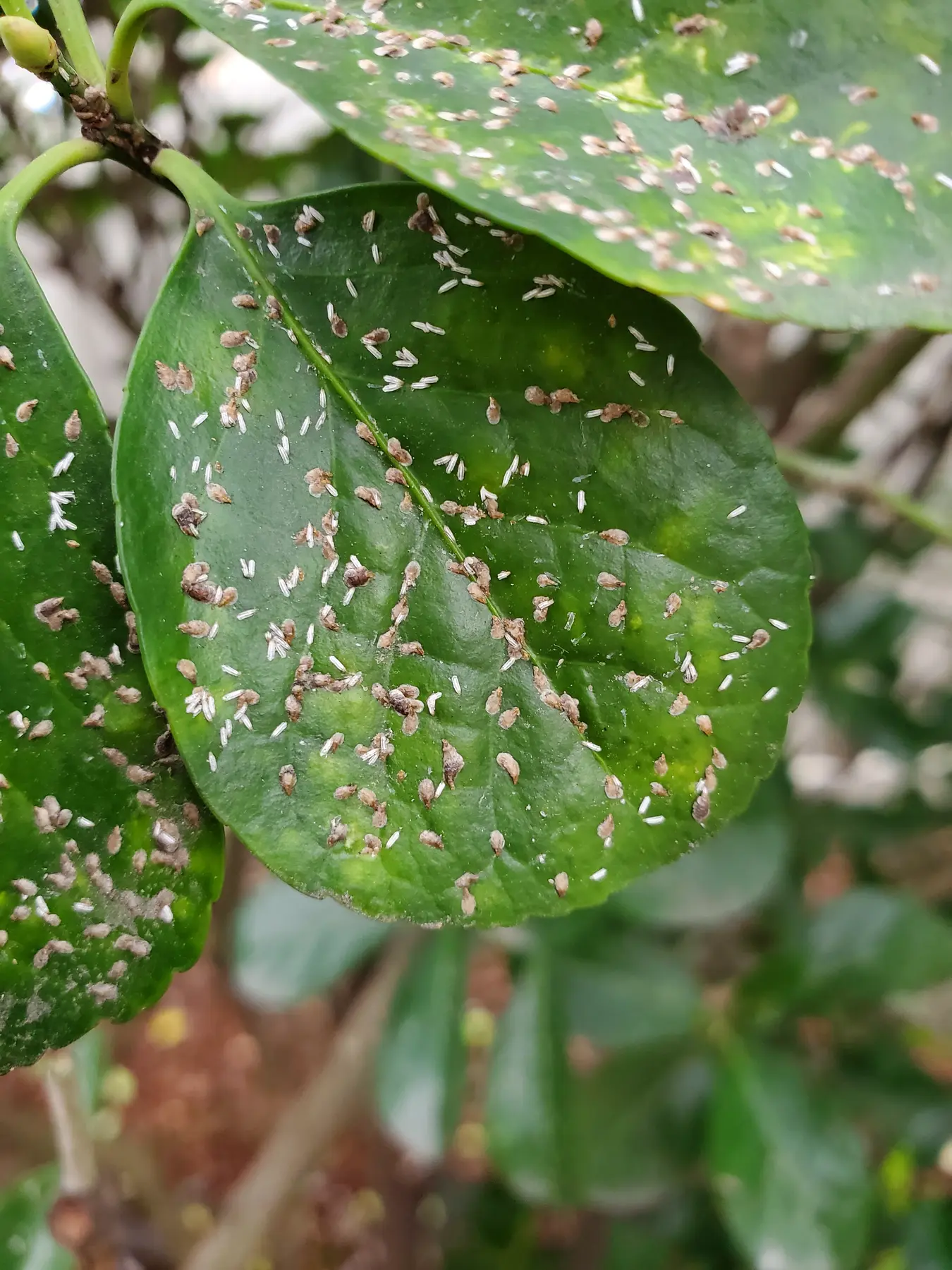
Scale
Symptoms: Common symptoms include dead patches in shrubs and strange pea-sized growths on twigs.
How we treat it: We tailor our treatment strategy to the host tree and control these bugs through spraying or systemic action.
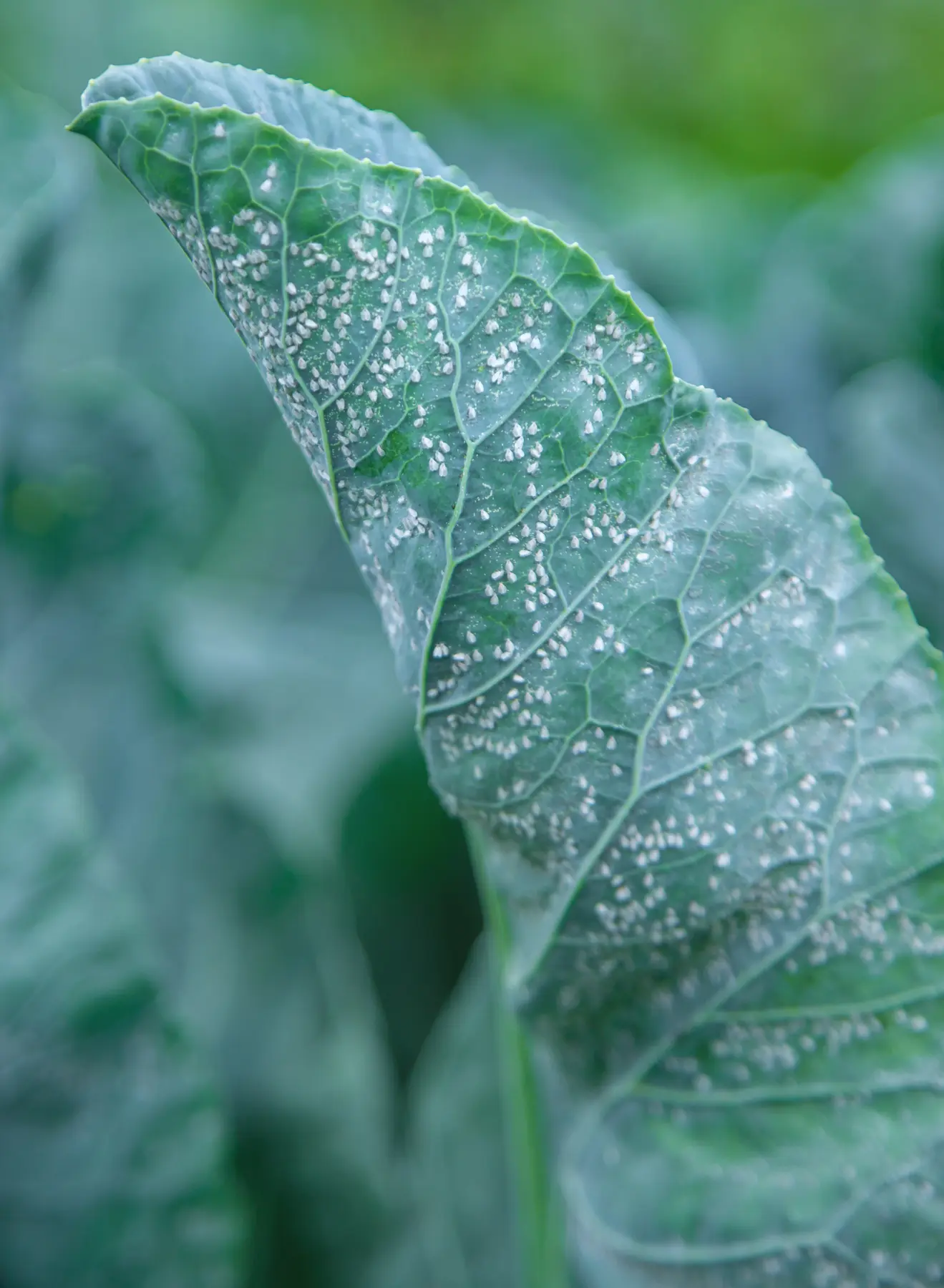
Whiteflies
Symptoms: These primarily occur on Xylosma trees and can be treated readily through topical sprays. Common signs of infestation are small white flies on your plant, sticky residue on leaves, and eggs on the underside of the leaves.
How we treat it: Properly timed treatments with specialized insecticides will prevent these insects from finding a home in your landscape trees.
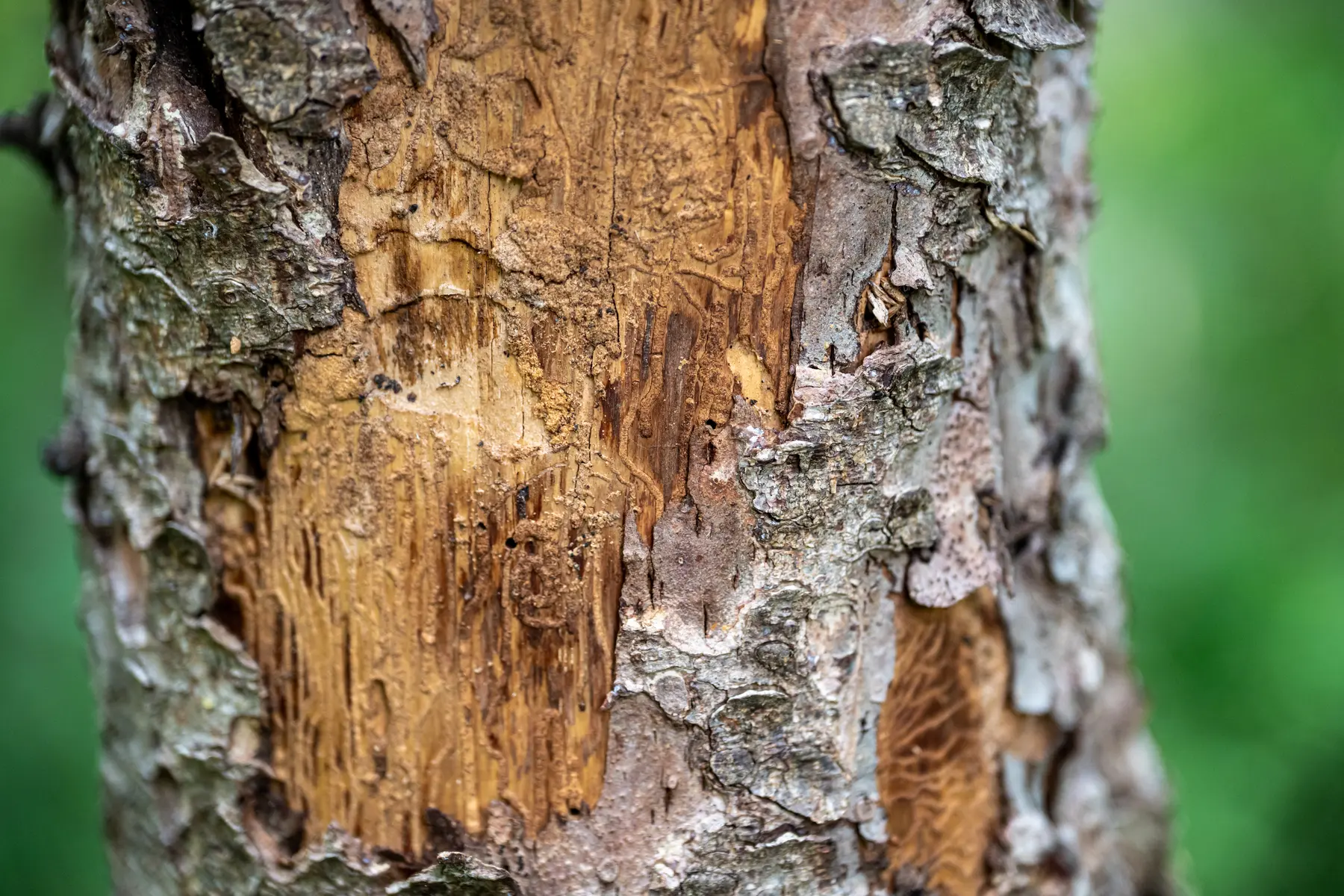
Wood-Boring Beetles
Symptoms: Olives, Oaks, Stonefruit, Ash, and many other trees are potential victims of myriad species of wood boring beetles and the diseases they carry with them. Adult beetles lay their eggs in cracks and crevices in the bark, and their offspring eat away at the living cambium layer of your tree, interrupting the vital nutrient pathways between the roots and branches and leading to eventual tree death.
How we treat it: Prevention is key. Once the tree begins showing symptoms, it is often too late, so we focus on identifying risk early and protecting susceptible trees before beetles take hold.
What’s Wrong With My Tree?Unravel2026-08-27T03:51:36-07:00